
RuriDragon will return to Weekly Shonen Jump on March 4, releasing five brand-new chapters before transitioning to Shonen Jump+. The manga's unique slice-of-life approach and captivating characters distinguish it from other series. The decision to shift away from weekly serialization highlights the challenges of maintaining a manga's health and popularity in the industry.
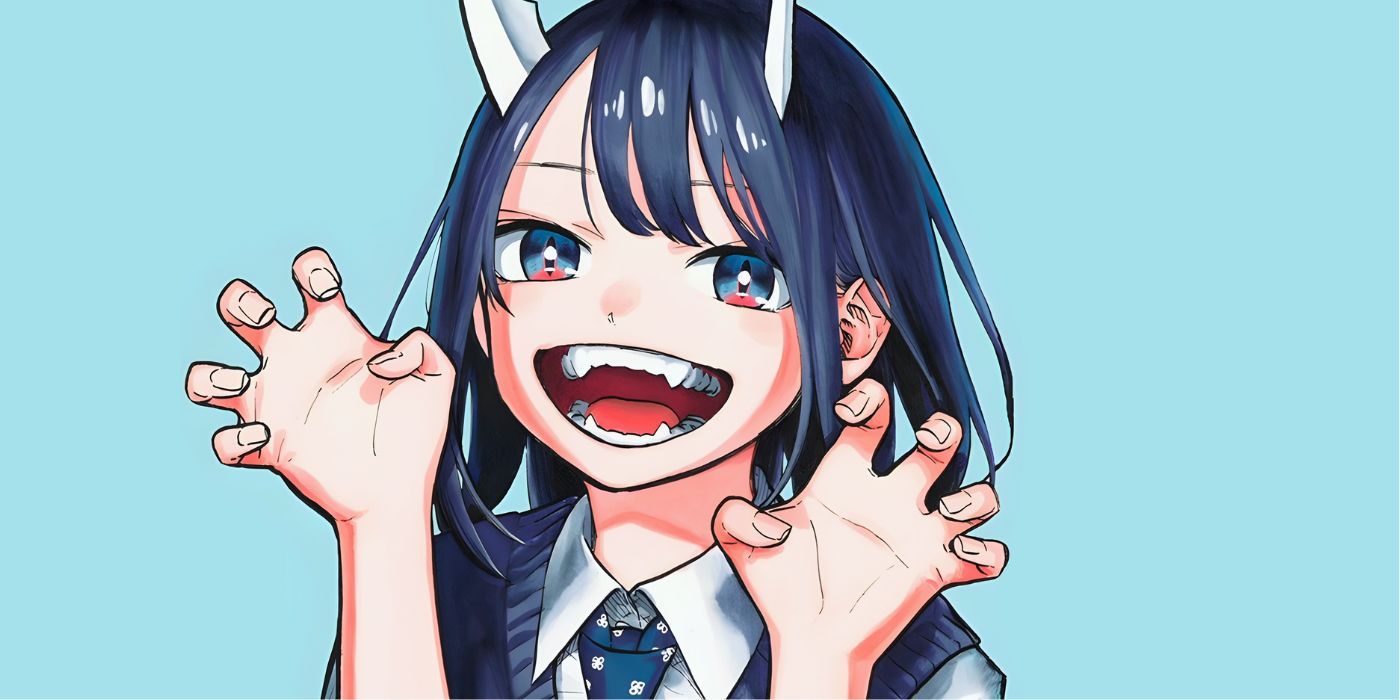
Weekly Shonen Jump's RuriDragon has finally returned after a year of hiatus, with Masaoki Shindo hinting at a potential comeback in 2024.
After patiently speculating, official confirmation has finally emerged, confirming RuriDragon's return to Weekly Shonen Jump for five chapters starting on March 4 before transitioning to a biweekly format on Shonen Jump+ on April 22.
Ruri Aoki awoke one morning to discover horns sprouting from her head, much to her astonishment. Her mother's nonchalant revelation revealed that her father was a dragon, explaining the unusual appearance. Consequently, Ruri's transformation attracted significant attention from her peers and classmates, leaving her both intrigued and slightly uncomfortable with her newfound transformation. Despite the initial challenges, Ruri endeavored to live her life as usual, trying to come to terms with her dragon abilities while navigating the challenges and social interactions that came with her new appearance.
What made RuriDragon stand out was how unique of a story it was for a Weekly Shonen Jump manga. RuriDragon prioritized being a slice-of-life story above all else and has mainly used its central premise to build into solid character-driven writing. Unlike similar stories published in Weekly Shonen Jump, RuriDragon never devolved into action, romance, or full-fledged comedy, making for a story that’s very much unlike what’s usually published in Weekly Shonen Jump. With its stunning art style and captivating story, RuriDragon quickly gained a devoted following and is sure to be a hit, with its return sure to be met with widespread praise.
If there's anything to take from RuriDragon's scheduling, it's proof of the immense strain weekly manga serialization can take on a creator's health. The example of Weekly Shonen Jump with Hunter x Hunter's Yoshihiro Togashi and Black Clover's Yuki Tabata showcases how taxing a serialization can lead to health issues for creators, and in the case of Masaoki Shindo, the uncertainty surrounding his health and return to Weekly Shonen Jump emphasizes the significant challenges creators face in sustaining their careers.