
While every arc in Jujutsu Kaisen has its strengths, some truly stand out. Certain arcs excel due to their superb writing and action, while others fall short because of their brevity and limited impact on the overall story. Though not every arc is a highlight, each one contributes something valuable to the series.
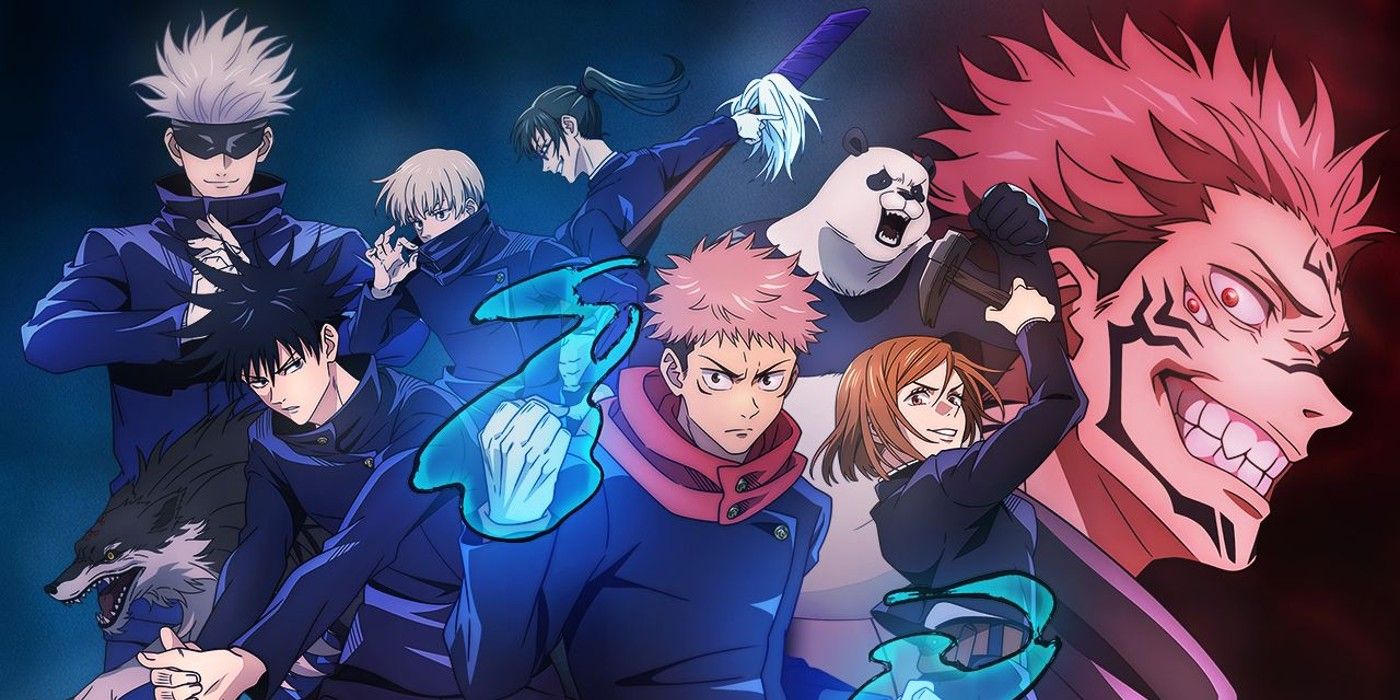
Jujutsu Kaisen, serialized for over five years, boasts a diverse array of arcs, each with its own strengths, though some stand out more than others.
Jujutsu Kaisen has become a cornerstone of Shōnen Jump's battle manga lineup, alongside iconic titles like My Hero Academia and One Piece. Its lengthy serialization has spawned numerous intense storylines. As the manga approaches its conclusion, it's an opportune moment to evaluate and rank these arcs.
While each arc in Jujutsu Kaisen contributes uniquely to the overarching narrative with innovative fight scenes, some manage to shine brighter due to their storytelling and action dynamics.
The "Itadori's Extermination Arc," following the monumental Shibuya Incident, struggled to match its predecessor's high standards. Lacking substantial action beyond encounters with Yuta and Naoya, this arc primarily sets the stage for future developments, making it one of the series' weaker entries.
Similarly, the "Death Painting Arc" is notable for introducing the concept of Cursed Wombs, pivotal to later developments with characters like Choso. Despite featuring standout moments like Itadori and Nobara's Black Flash duel, its brevity prevents it from leaving a lasting impact compared to later, more expansive arcs.
The "Fearsome Womb Arc," serving as the series opener, effectively establishes the sorcery and curse-ridden world while introducing key characters. Highlighted by the initial clash between Gojo and Sukuna and the shocking "death" of Yuji, it lays a solid foundation for the series but lacks the depth of subsequent arcs.
"The Culling Game" sparked controversy with its prolonged narrative focusing on individual colonies, sidelining characters and diluting pacing. However, its potential may mature upon rereading, with unresolved ideas poised to pay off in the series' conclusion.
"The Cursed Child Arc" (Jujutsu Kaisen 0), originally a standalone, acts as a crucial prequel delving into Yuta Okkotsu's journey, pivotal in understanding characters like Gojo and Maki before their introduction in the main series.
"The Hidden Inventory/Premature Death Arc," featuring a young Gojo and Geto, stands out as a disconnected yet satisfying prequel, enriching character backgrounds beyond the main plot's constraints.
"The Perfect Preparation Arc," though primarily setting the stage for the Culling Game, excels due to Maki's character development and the climactic Zenin clan conflict, despite its initial roughness.
"The Vs. Mahito Arc," early in the series, excels in tragic storytelling, establishing Mahito as a formidable antagonist while deepening Yuji's personal stakes and showcasing Jujutsu Kaisen's dynamic combat style.
"The Kyoto Goodwill Event Arc" expands the cast and delivers exhilarating battles against the Disaster Curse Hanami, coupled with engaging character interactions.
"The Shinjuku Showdown Arc," as the series' final arc, promises a fitting conclusion with its intense clashes between Gojo and Sukuna and compelling narrative developments.
Above all, "The Shibuya Incident" remains Jujutsu Kaisen's pinnacle, redefining its narrative landscape with chaotic battles and profound impacts, solidifying its status as a landmark in shōnen manga.
Jujutsu Kaisen continues to captivate audiences with its supernatural action and compelling character arcs, cementing its place among the genre's elite.